
What Month Do Sparrows Lay Their Eggs?
By Kelly Miller, , 6 min read

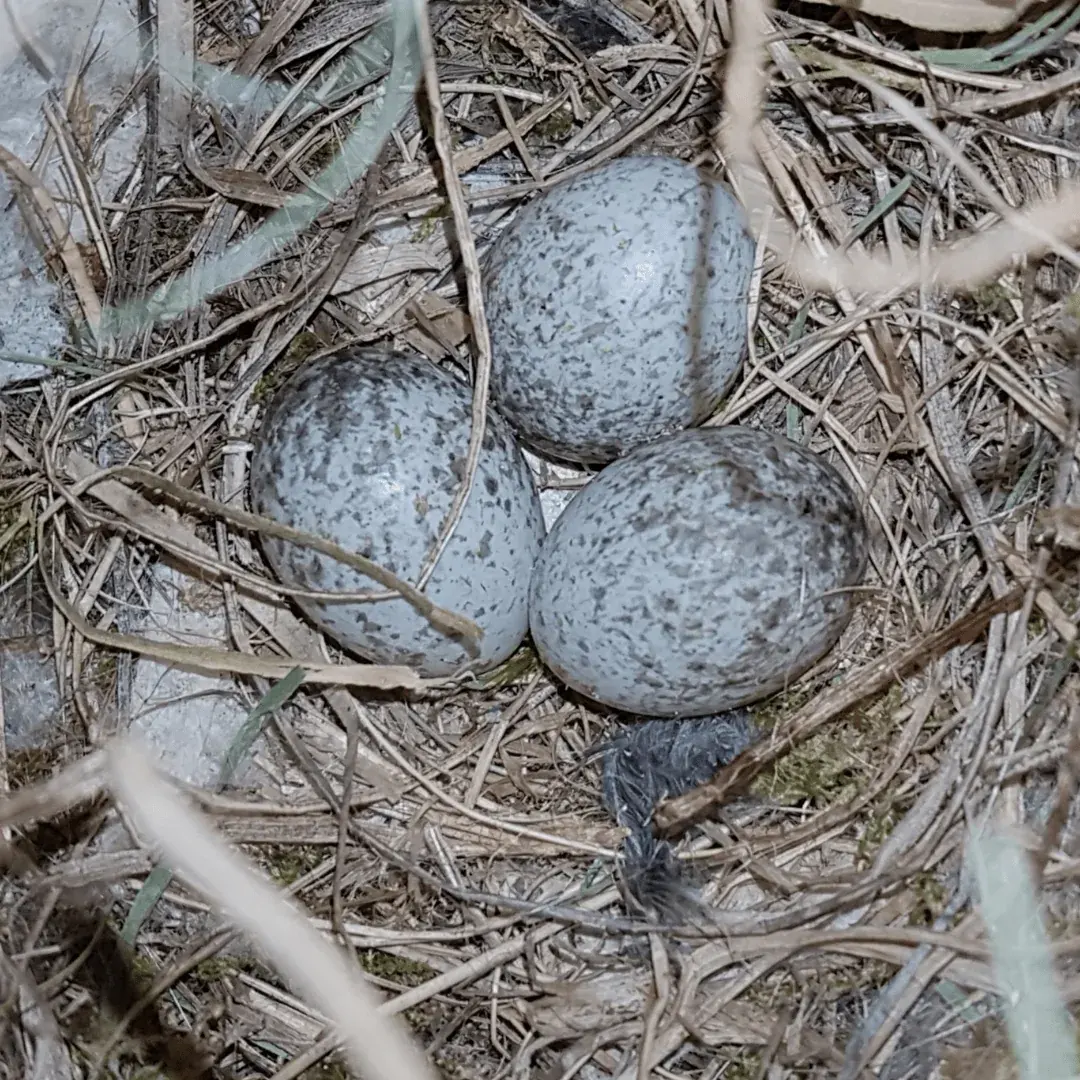
Many backyard birders wonder what month do sparrows lay their eggs. In most of North America, sparrows begin laying eggs in late April or early May, with southern populations often starting in late March or early April. Timing shifts with weather and food, so the exact month varies by region and species.
When do sparrows typically start laying eggs?
Across much of the United States and Canada, sparrows typically start laying eggs in late April or early May. Southern birds, such as those in Florida or Texas, often begin in late March or early April. Northern populations, including in Canada, may not start until mid-May or even early June. Weather and food availability can shift the start date by a few weeks. A cold, wet spring can delay nesting, while a mild, insect-rich spring can push it earlier. Species matter too: House Sparrows often start earlier than Chipping Sparrows or Song Sparrows. If you want to track nesting in your area, consider keeping a simple bird checklist like our State bird checklist to note first egg dates each year.
How many times do sparrows nest in a year?
Many sparrow species attempt two to three broods per season. The first clutch is usually the largest and most successful, often with four to six eggs. Later clutches tend to be smaller, sometimes only two or three eggs. If the first nest fails due to predators or weather, pairs may skip a brood or try again within a few weeks. If food is scarce, they may skip later nests entirely. House Sparrows, for example, can raise up to four broods in a good year, while Song Sparrows typically raise two or three. Northern populations often have fewer broods because the breeding season is shorter.
| Species | Typical broods per year | Notes |
|---|---|---|
| House Sparrow | 2–4 | Often nests in cavities or on buildings |
| Song Sparrow | 2–3 | Nests low in shrubs or grasses |
| Chipping Sparrow | 1–2 | Often in conifers or deciduous trees |
What factors influence sparrow nesting timing?
Day length and temperature trigger hormonal changes that bring sparrows into breeding condition. As days lengthen in spring, their reproductive systems activate. Abundant insects and seeds support egg production and chick rearing. A flush of caterpillars or other insects is especially important for protein-rich food for nestlings. Predator pressure and human activity can delay or disrupt nesting. Raccoons, Domestic Cats, Blue Jays, and even Northern Cardinals may raid nests. Frequent lawn mowing, tree trimming, or foot traffic near a nest can cause parents to abandon it. In some regions, noise and light pollution may shift nesting earlier or later.
How can you spot a sparrow nest in your yard?
Look for cup-shaped nests made of grass, twigs, and plant fibers. They are often lined with softer material like feathers, hair, or fine grass. Nests are typically placed in dense Shrubs, low branches of Deciduous Trees, or on structures like a Bird Feeder or porch light. House Sparrows often nest in cavities, including holes in buildings or nest boxes. Song Sparrows build on or near the ground in thick cover. Chipping Sparrows favor evergreens or vine tangles. Listen for chattering adults and watch for frequent visits to a specific spot. If you see a bird carrying nesting material or food, follow at a distance. For help identifying what you find, see our guide to what do sparrow nests look like.

What should you do if you find a sparrow nest?
Observe from a distance to avoid stressing the parents. Use binoculars or a spotting scope from at least 15–20 feet away. Keep pets and children away from the nesting area. A Domestic Cat or Raccoon can quickly destroy a nest. Do not move the nest unless it is in immediate danger, such as on a vehicle or in a path of heavy foot traffic. If you must move it, contact a licensed wildlife rehabilitator or your state/provincial wildlife agency for guidance. In most cases, leaving it alone is best. Sparrows often nest near human activity, so a nest on a porch or in a hanging basket is not unusual. Enjoy the view from a respectful distance.
Frequently asked questions
Do sparrows come back to the same nest every year?
Most sparrows do not reuse the same nest year after year. They may return to the same territory or yard, but they typically build a fresh nest each season. Some species, like House Sparrows, may reuse a cavity or nest box site, but they rebuild the nest material. A few individuals may repair an old nest, but this is less common. Cleaning out old nests in fall can help reduce parasites for next year's birds.
Where do sparrows go at night to sleep?
At night, sparrows seek sheltered spots to roost. They often gather in dense Shrubs, thick evergreens, or under eaves and bridges. Some species roost in small flocks, especially in winter. In urban areas, they may use ledges, signs, or even Christmas trees. Roosts provide protection from predators and cold. During nesting season, incubating females usually stay on the nest at night, while males may roost nearby.
How can you tell a male from a female sparrow?
Male and female sparrows often look similar, but there are clues. Male House Sparrows have a black bib and gray crown; females are plain brown with a pale eyebrow stripe. Male Song Sparrows sing more and may have darker streaking; females are slightly duller. Male Chipping Sparrows have a brighter rufous cap and black eyeline. In many species, behavior is the best clue: males sing and display, while females build nests and incubate.
What is the lifespan of a sparrow?
Most sparrows live two to three years on average, but many die in their first year. House Sparrows can live up to 10 years in captivity, but wild lifespans are shorter. Song Sparrows have been known to live over 10 years, though that is rare. Predation, weather, and disease are common causes of death. Providing safe habitat with cover and clean water can help birds live longer. For more details, see our article on How Long Do Sparrows Live?.
More on nesting & young

Cedar Bird Houses: Durable Homes for Backyard Nests
Cedar bird houses are popular because the wood resists rot, insects and weather without paint or chemical treatment. This guide walks through why cedar works for backyard nest boxes, how it compares with pine, spruce and oak, which entry hole sizes suit species like Eastern Bluebird and…
Nesting & Young — , 7 min read

Should I Remove House Sparrow Nests?
House Sparrows are invasive in North America and not protected by the Migratory Bird Treaty Act, so in most states and provinces you can legally remove their nests. This guide walks through the legal basics, safe removal steps, birdhouse cleaning with a mild bleach solution, and prevention tactics…
Nesting & Young — , 8 min read
When Do Sparrows Lay Eggs?
Sparrows are charming little birds that bring life to your backyard with their chirping and fluttering. Do you ever wonder…
Nesting & Young — Updated , 8 min read