
Are Sparrows a Good Bird to Have in Your Yard?
By Sam Boyd, , 8 min read
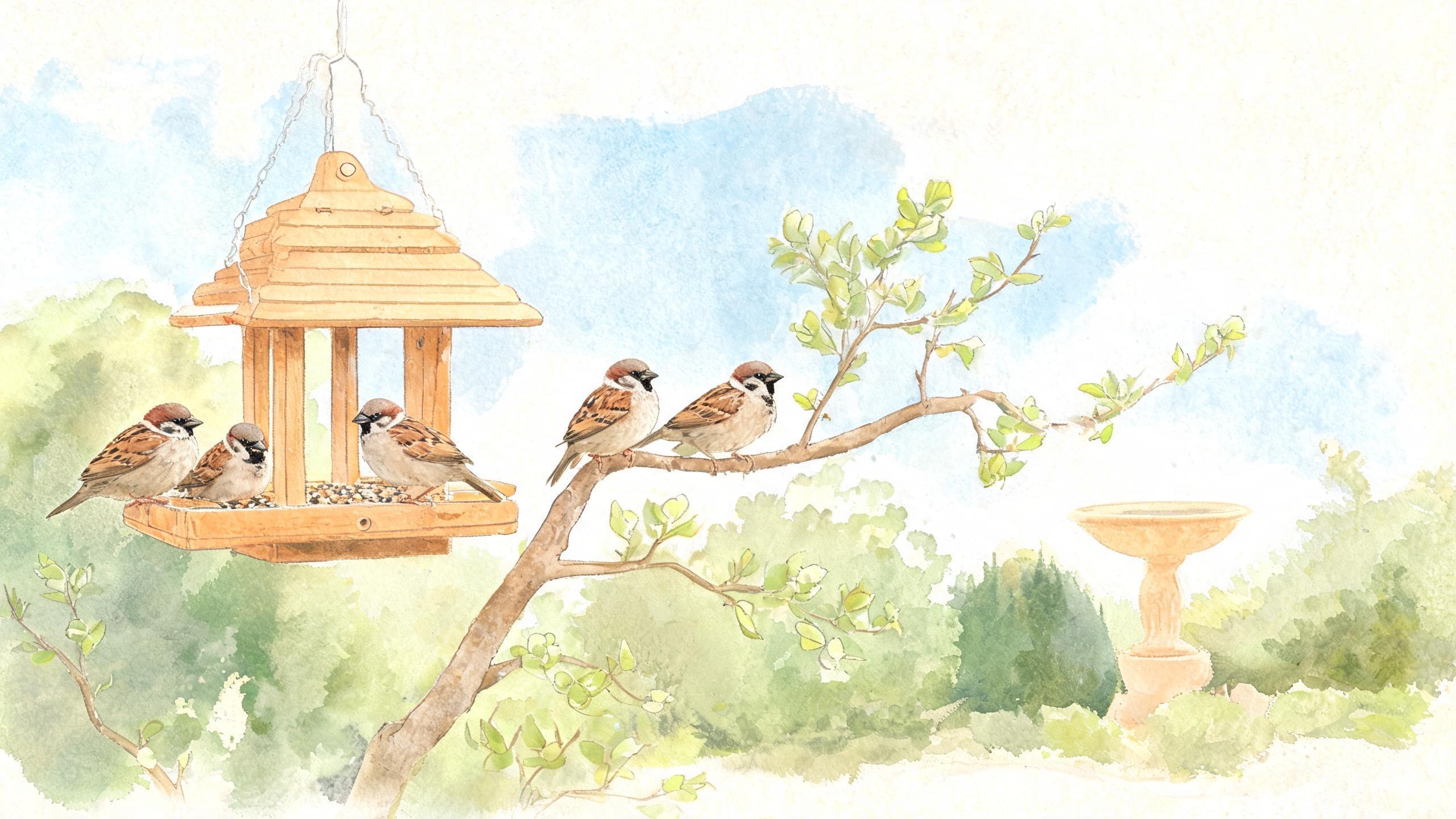
Are sparrows a good bird to have in your yard? Often, yes, with one clear exception. Native sparrows such as the Song Sparrow are easy to attract, lively to watch and handy insect eaters. House Sparrows, though, are non-native in North America and can crowd out Bluebirds and Wrens, so whether sparrows are a good bird to have depends on which species show up and how you manage your feeders.
Do sparrows bring more benefits than problems to your yard?
Sparrows are social, vocal and simple to spot, which makes them a welcoming starting point for beginning birders. A mixed flock scratching under a Ground Feeder gives you plenty of chances to practice field marks without much pressure.
Many sparrows also eat insects, especially during the breeding season when they feed growing chicks. That said, some species compete with native birds for food and nesting spots. The House Sparrow is the usual source of trouble: it is non-native in North America and often aggressive at feeders and Nest Boxes. A Song Sparrow behaves quite differently, scratching through leaf litter and singing from low shrubs. For help telling common visitors apart, a State bird checklist can be a handy starting point.
The real impact depends on which sparrow species you attract and how you manage your setup. If you see mostly native sparrows, you are typically gaining more than you lose. If House Sparrows dominate, a few simple changes can shift the balance.
Which sparrow species are native to North America?
The Song Sparrow, Savannah Sparrow and Chipping Sparrow are all native to North America and protected under wildlife laws. Each uses slightly different habitat: Song Sparrows favor brushy edges and damp thickets, Savannah Sparrows prefer open grass, and Chipping Sparrows often nest in conifers near lawns.
House Sparrows are a different story. They arrived from Europe in the 1800s and are now widely considered invasive across much of the United States and Canada. They adapt easily to buildings, parking lots and backyard feeders, which is why they often appear in large groups.
Native sparrows support local ecosystems by eating native seeds and insects. They also become food for hawks, owls and other predators, so they play a real role in the food web. Identifying the species at your feeder is the first step toward understanding what that visit means for your yard.

How do sparrows affect native birds and plants?
House Sparrows aggressively defend feeders and Nest Boxes, and they can displace native birds such as Bluebirds and Wrens. In some areas they may destroy eggs or nestlings of competing cavity nesters. They may also nibble seeds, berries and young buds, which in some settings can affect crops and ornamental plants.
Native sparrows generally coexist more peacefully with other backyard birds. They may share a Platform Feeder with finches, juncos and towhees without much drama. They can still eat seeds you hoped to save for other birds, but the competition tends to be milder.
Monitoring behavior helps you decide if intervention is needed. Ask yourself: are House Sparrows chasing other birds off every feeder, or are they just one part of a mixed flock? If they are dominating, it may be time to adjust your setup.
| Option | Best for | Notes |
|---|---|---|
| Small-seed mix with millet | Native sparrows and finches | Less appealing to larger, aggressive birds |
| Cracked Corn | Ground-feeding sparrows | Best offered on a tray or ground feeder |
| High-fat suet | Woodpeckers and others | Often attracts starlings and House Sparrows too |
What do sparrows eat and how should you feed them?
Sparrows typically prefer small-seed mixes, Millet and Cracked Corn, though dietary choices shift with season and what is available nearby. These foods sit well on a Ground Feeder or a low Platform Feeder, where sparrows can scratch and peck in a natural posture. A hopper feeder with a tray works too, especially if you scatter a little seed underneath.
High-fat suet is not always the best choice if sparrows are your main guests. It tends to draw woodpeckers, starlings and other birds with different needs, so many birders keep one suet feeder in a separate spot. If you want to offer it wisely, these 5 Best Suet Cakes for Wild Birds! can help you choose a good option.
Clean feeders matter more when sparrows gather in dense flocks. Empty and scrub them every week or two with hot soapy water, rinse well and let them dry before refilling. A bird bath is also helpful, and the best bird baths for sparrows are shallow with a rough surface for grip. If you enjoy watching bathing behavior up close, a Best Hummingbird Bird Bath can round out a small-water setup.
How can you manage House Sparrows without harming native birds?
Start with the feeder itself. Small perches or wire mesh can exclude larger House Sparrows while still letting native sparrows and finches reach the seed. You can also switch to foods they tend to ignore, such as nyjer or safflower, in the feeder closest to your house. A camera feeder can make it easier to tell which species are really visiting, as these The 5 Best Video Bird Feeders (Never Miss a Bird Again!) show.
Nest Boxes need attention too. If House Sparrows have claimed one, check your state or provincial rules before you act, then remove the nesting material and block the entrance until native birds return. Learn what do sparrow nests look like so you do not mistake a native nest for a House Sparrow's. Never handle birds, nests or eggs yourself; follow local wildlife rules and contact a licensed rehabilitator if you find an injured bird.
Native plants can help tilt the yard in the right direction. Plant berry-producing shrubs and seed-bearing perennials that attract native sparrows and insects. House Sparrows are often less drawn to some of these than to open lawn and messy feeders.
Avoid bird netting or traps. They can harm non-target species, including the birds you are trying to protect. Some states and provinces restrict these methods, so if trapping ever seems necessary, check with your state or provincial wildlife agency first.
What does it mean if a sparrow visits your yard?
A sparrow visit often points to a healthy, diverse habitat with food, water and shelter nearby. It may also mean a nest is close by, especially in spring and summer when adults carry food back and forth.
Frequent visits can tell you something about local migration and nesting patterns. Many native sparrows move through during spring and fall, while others stay year-round depending on your region. Watching which species arrive and when is a simple way to track the seasons.
Sparrows are social, so one visit often turns into a group. That can make your yard busier and more interesting, especially if you keep binoculars near the window. If House Sparrows take over, use the steps above to bring things back into balance. Curious about odd sightings in the meantime? Here is a look at the Red Sparrow Bird, are they real?
Frequently asked questions
What does it mean if a sparrow visits you?
A single visit usually means a bird found your yard while exploring for food, water or shelter. It may be passing through during migration or checking a nearby nesting spot. If it returns, your habitat is probably providing something useful. Pay attention to which species it is, because a House Sparrow and a Song Sparrow tell different stories.
What is the friendliest bird to own?
Wild birds in North America are protected and are not pets, so the question is really about which species are most comfortable around people. Chickadees, House Finches and some native sparrows often tolerate close approach at feeders. Enjoy them from a distance, and keep cats indoors to protect them. Remember, too, that Are Birds Mammals? — they are not, which is why their needs differ from pets.
Do sparrows come back to the same place every year?
Many sparrows return to familiar areas, especially if food and shelter stay reliable. Some individuals show strong site fidelity, while others move with weather and food supplies. Banding data shared through eBird and FeederWatch shows that patterns vary by species and region, so a returning bird is possible but not guaranteed.
Can sparrows remember people?
Many backyard birds appear to learn to recognize individual people, especially the ones who fill feeders. They may associate a certain person with food and become less wary over time. This varies by species and individual, so treat it as a tendency rather than a rule.
Are House Sparrows invasive in North America?
Yes. House Sparrows are non-native and widely considered invasive across much of the United States and Canada. They were introduced in the 1800s and have spread widely, often competing with native cavity-nesting birds. Wildlife agencies and groups such as Audubon and the Cornell Lab treat them as a management concern in many areas.
How do I keep House Sparrows out of my bird feeder?
Try a feeder with short perches or a wire cage that lets smaller birds in. Switch to safflower or nyjer seed, which House Sparrows often ignore. Move or clean feeders regularly, and check local rules before removing any nests in boxes. Avoid netting and traps, which can hurt other birds.
More on bird identification

Blue Jays Birds: ID, Diet and Backyard Tips
Blue jays are among the most recognizable and most misunderstood backyard birds in North America. This guide covers how to identify them by their crest and black necklace, where they live from Canada to the southern United States, what they eat at feeders and in the wild, and how to attract them wi…
Bird Identification — , 8 min read

Bird Names That Start With Q: A Backyard Guide
Wondering about bird names that start with q? This guide covers the most common North American quail, how to identify them by sight and sound, and practical steps to attract them to your backyard this week.
Bird Identification — , 5 min read
12 Black and Yellow Birds (Photos & ID Guide)
Hello, fellow bird enthusiasts! 🐦 It’s your avian aficionado, Happy Birding, here to brighten your day with a splash of…
Bird Identification — Updated , 15 min read