
Should I Remove House Sparrow Nests?
By Sam Boyd, , 8 min read

If a House Sparrow has built a nest in your birdhouse or under an eave, you are probably wondering whether you should remove it. In most of the United States and Canada, yes — you can legally remove House Sparrow nests, active or not, because House Sparrows are an invasive species and are not protected by the Migratory Bird Treaty Act. Removing the nest protects native birds, reduces mess, and keeps your nest boxes available for Bluebirds, Wrens, and other songbirds.
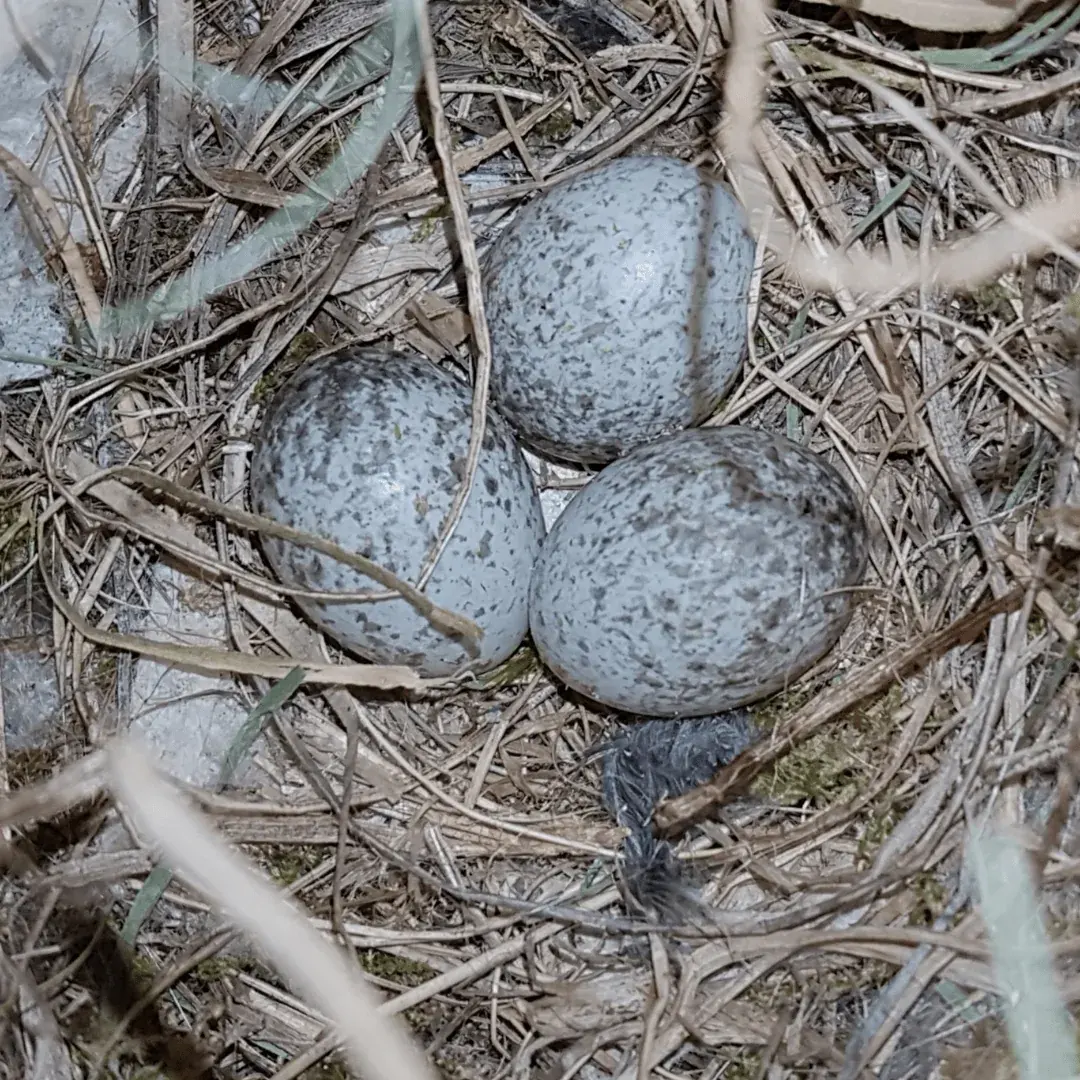
Before you grab a ladder, it helps to know what you are dealing with. House Sparrow nests are bulky, messy cups of grass, feathers, paper, and string, often stuffed into cavities and crevices. If you want to confirm the nest is not a native species' work, our guide to what do sparrow nests look like walks through the field marks of nests and eggs.
Is it legal to remove a house sparrow nest?
In North America, House Sparrows are an introduced species, brought over from Europe in the 1800s. Because they are not native, they are not covered by the Migratory Bird Treaty Act, which protects most native songbirds, their nests, and their eggs. That means you can legally remove active or inactive House Sparrow nests in most states and provinces without a federal permit.
That said, rules can vary. A few states and municipalities have their own ordinances about invasive species management, and some homeowner associations or land trusts restrict what you can do on shared property. If you are renting, check with your landlord before making changes to a building. The safest move is to call your state or provincial wildlife agency, or visit their website, and ask about local rules for invasive bird species.
Why should you consider removing the nest?
House Sparrows are aggressive cavity nesters. They will evict Bluebirds, Tree Swallows, chickadees, and Wrens from nest boxes, sometimes destroying eggs and nestlings in the process. In areas where Purple Martin colonies are managed, House Sparrows are one of the biggest ongoing threats because they compete for the same housing. Removing a nest early, before eggs are laid, gives native birds a better chance to claim the box.
Beyond competition, House Sparrow nests can cause property damage and sanitation issues. Nests packed into vents, gutters, or eaves can block airflow and hold moisture against wood. Droppings accumulate under favorite roost spots, and nests can host mites and other parasites. If you have ever cleaned a nest box after a sparrow family moved out, you know the difference between a tidy Bluebird nest and a sparrow's bulky mess.
For native cavity nesters, every nest box matters. Removing sparrow nests is one of the simplest things a backyard naturalist can do to support Bluebirds, Wrens, and other native species. If you are still deciding how you feel about the sparrows themselves, this post on Are Sparrows a Good Bird to Have in Your Yard? looks at both sides.
How to safely remove a house sparrow nest
Removing a nest is straightforward, but a few precautions keep you and your family safe. Nests can carry mites, lice, and bacteria, and old droppings can harbor respiratory irritants. Work outdoors, wear gloves and a mask, and wash your hands and clothing afterward.
Step-by-step:
- Put on disposable gloves and a dust mask before you touch anything.
- Open the birdhouse or access panel and look inside. If native birds are using the box, close it and leave it alone.
- Pull out the entire nest structure, not just the cup. House Sparrow nests often have a base of sticks and trash that stays behind if you only remove the top layer.
- Scrape the interior walls and floor with a putty knife or stiff brush to remove stuck-on material.
- Place all nest material in a sealed plastic bag and put it in the trash. Do not compost it.
- Clean the box per the birdhouse instructions below, then let it dry fully before closing it up.
If the nest is high up, on a slope, or near electrical lines, do not climb. It is not worth the risk — call a professional instead.

What to do if the nest is in a birdhouse
A birdhouse that has held House Sparrows needs a thorough cleaning before it is ready for native birds. Sparrows leave scent markers and debris that can attract more sparrows, so a quick rinse is not enough.
Here is a simple cleaning routine:
- Remove all old nest material and dispose of it in a sealed bag.
- Mix a mild bleach solution — about one part household bleach to nine parts water — in a bucket.
- Scrub the interior walls, floor, and ceiling with a stiff brush dipped in the solution.
- Rinse thoroughly with clean water and let the box air-dry in the sun.
- Check the entrance hole size and consider adding a predator guard.
Choosing the right box matters as much as cleaning it. Entrance hole size is the single best defense against House Sparrows. Native species use different sizes, so match the box to the bird you want to attract.
| Option | Best for | Notes |
|---|---|---|
| 1.25-inch hole | Chickadees, small Wrens | Too small for most House Sparrows |
| 1.5-inch hole | Bluebirds, Tree Swallows | Good balance for native cavity nesters |
| 1.75-inch hole | Larger native species | Still generally too small for sparrows |
| 2-inch or larger | Purple Martins, some larger birds | Needs extra monitoring for sparrows and starlings |
For more on matching feeders and housing to the birds you want, see our guide to the Best Cardinal Feeder: Top Picks & Setup Guide. And if you are cleaning or refreshing a bird bath at the same time, this starter guide on Best Non-Toxic Bird Bath Paint: A Starter Guide For Newbies! covers safe finishes.
How to prevent house sparrows from returning
Once you have removed a nest, the next step is making your yard less attractive to sparrows and more attractive to native birds. A few changes go a long way.
- Use the right entrance hole. Stick to 1.75 inches or smaller for most native cavity nesters. This single change keeps many House Sparrows out.
- Install a predator guard. A metal guard around the entrance hole discourages sparrows and also protects against other predators.
- Rethink open feeders. Open feeders, especially platform and hopper styles, attract large flocks of House Sparrows. Tube feeders with short perches and safflower or nyjer seed tend to bring in more native finches and fewer sparrows.
- Monitor nest boxes weekly. Check boxes during the nesting season and remove sparrow nests as soon as you see them, before eggs are laid. NestWatch, a community science program, has free protocols that help you track what is using your boxes.
- Reduce spilled seed. Sparrows are ground feeders, so keep the area under your feeders clean and consider tray attachments to catch spills.
If you keep a yard list, our State bird checklist can help you track what shows up. And if you are new to birding altogether, A Beginner's Guide to Birdwatching: 10 Tips For Getting Into Birding is a good starting point.
When to call a professional
Not every nest removal is a do-it-yourself job. Call a licensed wildlife control operator or a pest management professional when:
- The nest is in a hard-to-reach spot like a high eave, chimney, or vent.
- You suspect a large colony nesting in a wall, attic, or outbuilding.
- You are unsure about local regulations, permits, or safety protocols.
- The nest is near electrical wiring, gas lines, or other hazards.
- You have a known allergy or respiratory condition that makes handling debris risky.
Professionals can also advise on exclusion work — sealing vents, installing screens, and closing gaps — so sparrows do not move back in next season. Expect to pay for an inspection and any follow-up work.
Frequently asked questions
Should I destroy a house sparrow nest?
In most of the US and Canada, you can remove and dispose of House Sparrow nests because the species is not protected by the Migratory Bird Treaty Act. Destroying the nest means removing the whole structure and sealing it in a bag. If native birds are using the box, do not disturb it — only remove sparrow nests.
Do sparrows come back to the same nest every year?
House Sparrows often reuse the same cavity or nest box across seasons, and some pairs raise multiple broods in one year. Removing the nest and cleaning the box reduces the chance of reuse because it clears scent markers and debris. If sparrows nested there before, expect them to check the box again next spring.
What does it mean when a sparrow nests at your house?
It usually just means the birds found a safe cavity with easy access to food and water. House Sparrows are adaptable and often nest close to people. For native birds, though, a sparrow nest on your property can be a problem because sparrows evict Bluebirds, Wrens, and other cavity nesters.
Will sparrows take over a nest?
Yes — House Sparrows are known for taking over cavities and nest boxes used by native species. They may evict adults, destroy eggs, and build over existing nests. Monitoring boxes weekly and using entrance holes of 1.75 inches or smaller helps protect native birds from takeovers.
More on nesting & young

Cedar Bird Houses: Durable Homes for Backyard Nests
Cedar bird houses are popular because the wood resists rot, insects and weather without paint or chemical treatment. This guide walks through why cedar works for backyard nest boxes, how it compares with pine, spruce and oak, which entry hole sizes suit species like Eastern Bluebird and…
Nesting & Young — , 7 min read

What Month Do Sparrows Lay Their Eggs?
Wondering what month do sparrows lay their eggs? In most of North America, sparrows begin laying in late April or early May, though southern birds start earlier. This guide covers nesting timing, how many broods they raise, what influences their schedule, and how to spot a nest in your yard without…
Nesting & Young — , 6 min read
When Do Sparrows Lay Eggs?
Sparrows are charming little birds that bring life to your backyard with their chirping and fluttering. Do you ever wonder…
Nesting & Young — Updated , 8 min read