
19 Black Birds with White Wing Stripes (Pictures and ID’s)
By James Borland, Updated , 14 min read
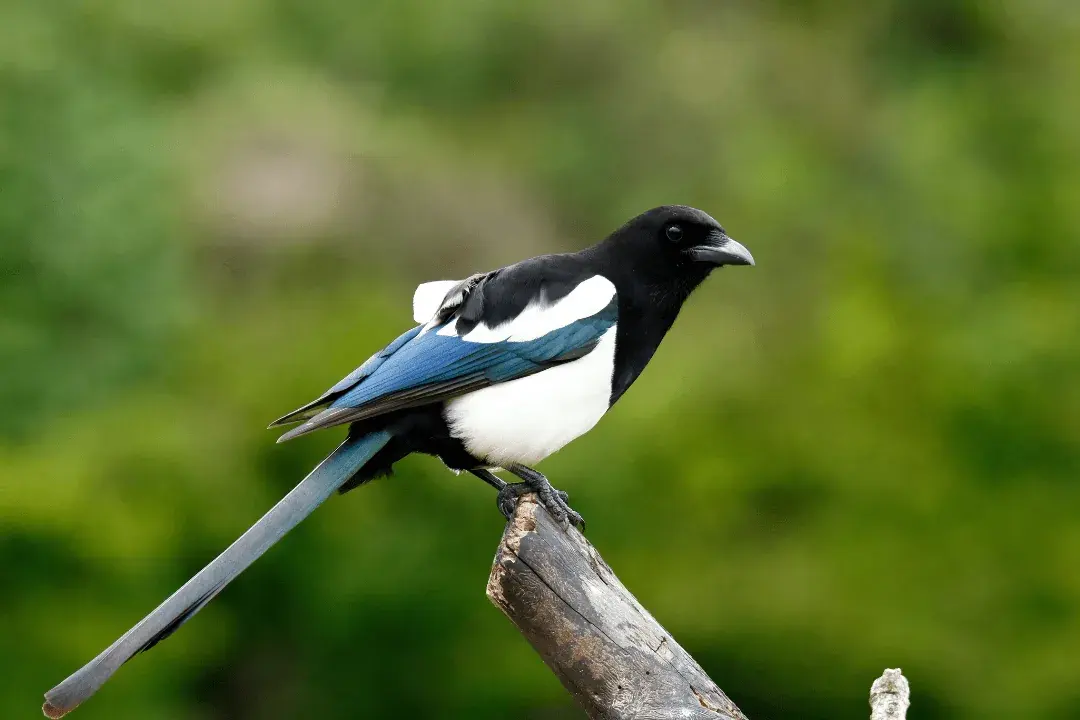
Hey there, fellow bird enthusiasts! Welcome to another fantastic adventure through the world of ornithology. Today, we’re going to explore the captivating realm of black birds with white wingstripes. These monochrome marvels are not only striking in appearance but also exhibit fascinating behaviors and adaptations. So, let’s dive right in and discover the wonders of these 19 intriguing species!
African Pied Wagtail (Motacilla aguimp)
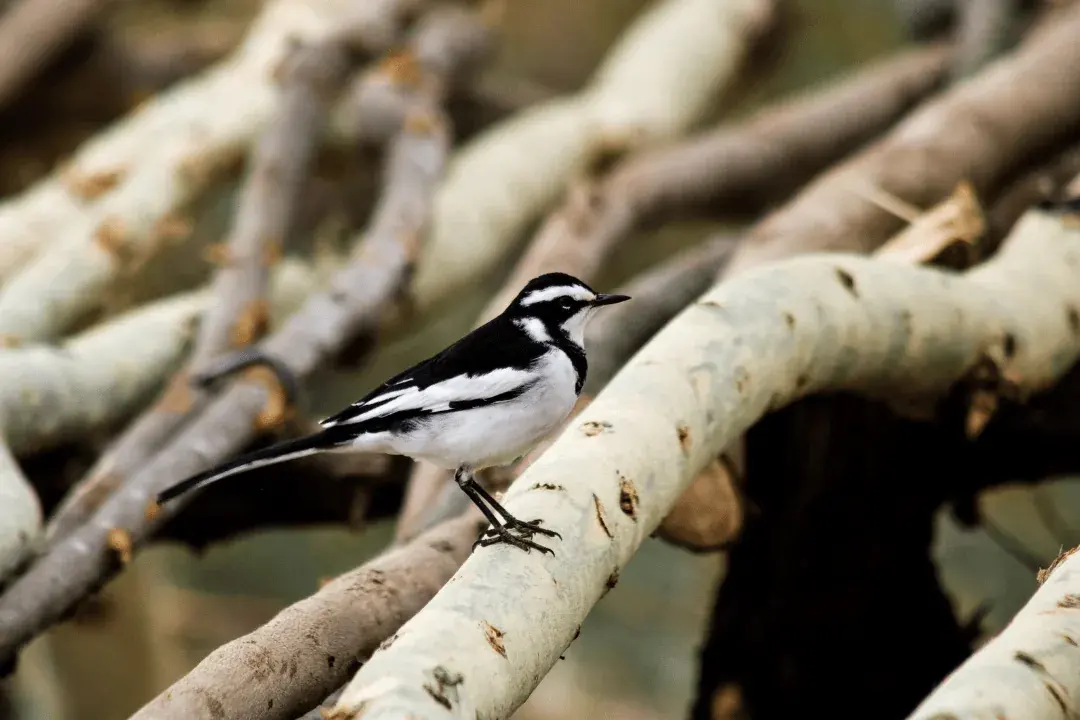
The African Pied Wagtail is a delightful little bird found in sub-Saharan Africa. Sporting a sleek black and white plumage, this wagtail is easily identifiable by the distinctive white wing stripe that sets it apart from its relatives.
These charming birds are often seen near water, where they flit around in search of insects. Their unique tail-wagging behavior gives them their name, and their cheerful calls add a joyful soundtrack to any birding excursion.
Geographic Location
Sub-Saharan Africa
Size
7-8 inches
Life expectancy
5-6 years
Diet
Insects and other small invertebrates
Habitat
Near water bodies such as rivers, lakes, and marshes, as well as urban and suburban areas
Black Baza (Aviceda leuphotes)
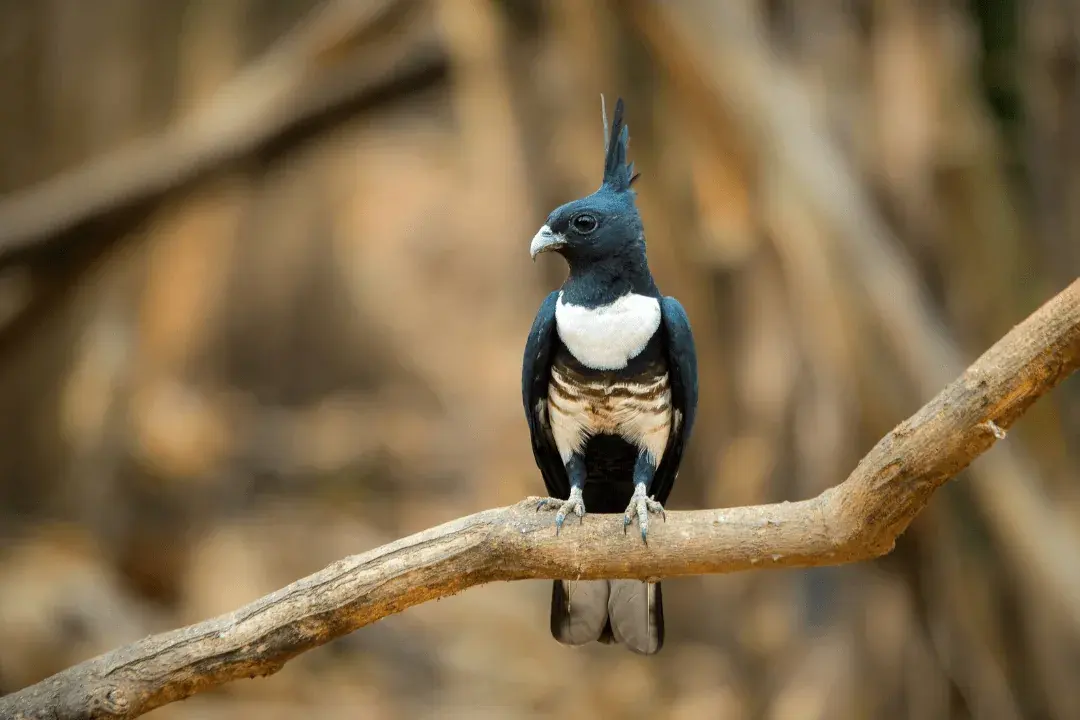
The Black Baza is a small, charismatic bird of prey found in the forests of Southeast Asia. With its striking black plumage, bold white wing stripes, and brilliant red eyes, this bird is a true sight to behold.
Black Bazas are agile hunters, swooping down from the treetops to catch insects, lizards, and small birds in their powerful talons. Keep an eye out for their dramatic courtship displays, which involve impressive aerial acrobatics and synchronized flying!
Geographic Location
South and Southeast Asia
Size
12-16 inches
Life expectancy
7-10 years
Diet
Insects, small mammals, and reptiles
Habitat
Tropical and subtropical forests, woodlands, and plantations
Black-and-white Warbler (Mniotilta varia)
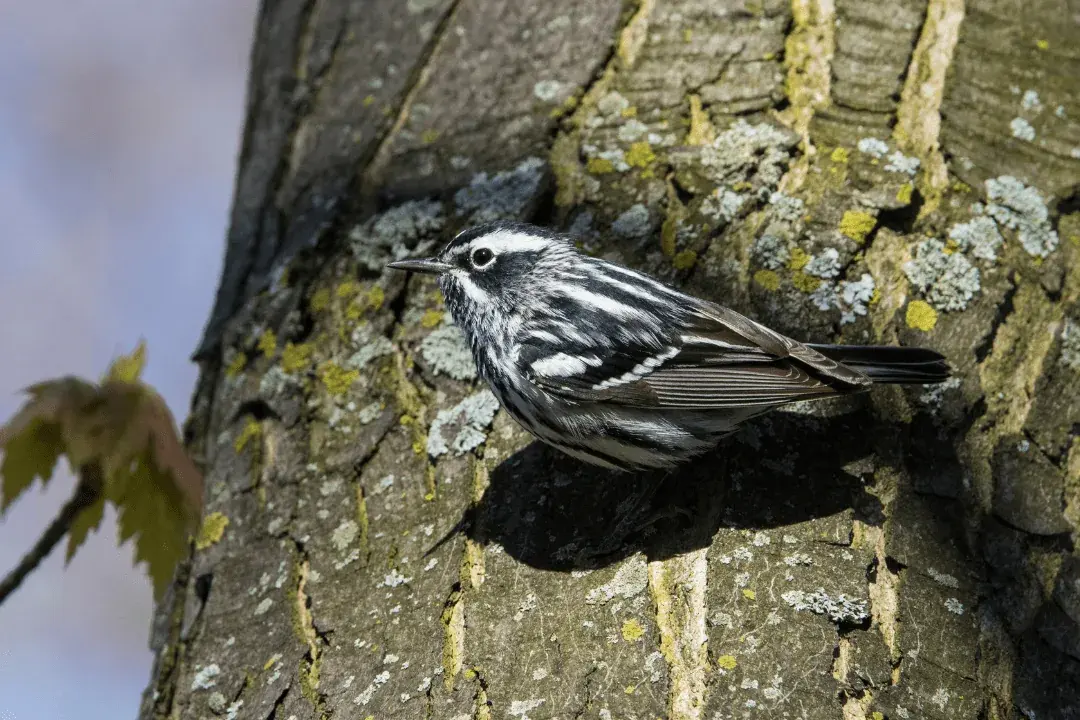
Next up is the Black-and-white Warbler, a stunning little songbird native to North America. Its eye-catching black and white plumage, complete with white wing stripes, makes this warbler a favorite among birdwatchers.
These agile birds are often seen creeping along tree trunks and branches in search of insects. Their sweet, high-pitched song is a delightful addition to any woodland chorus, and their energetic foraging behavior is sure to keep you entertained.
Geographic Location
North and Central America
Size
4.3-5.1 inches
Life expectancy
6-8 years
Diet
Insects and spiders
Habitat
Deciduous and mixed forests, forest edges, and wooded swamps
Black-backed Magpie (Gymnorhina tibicen)
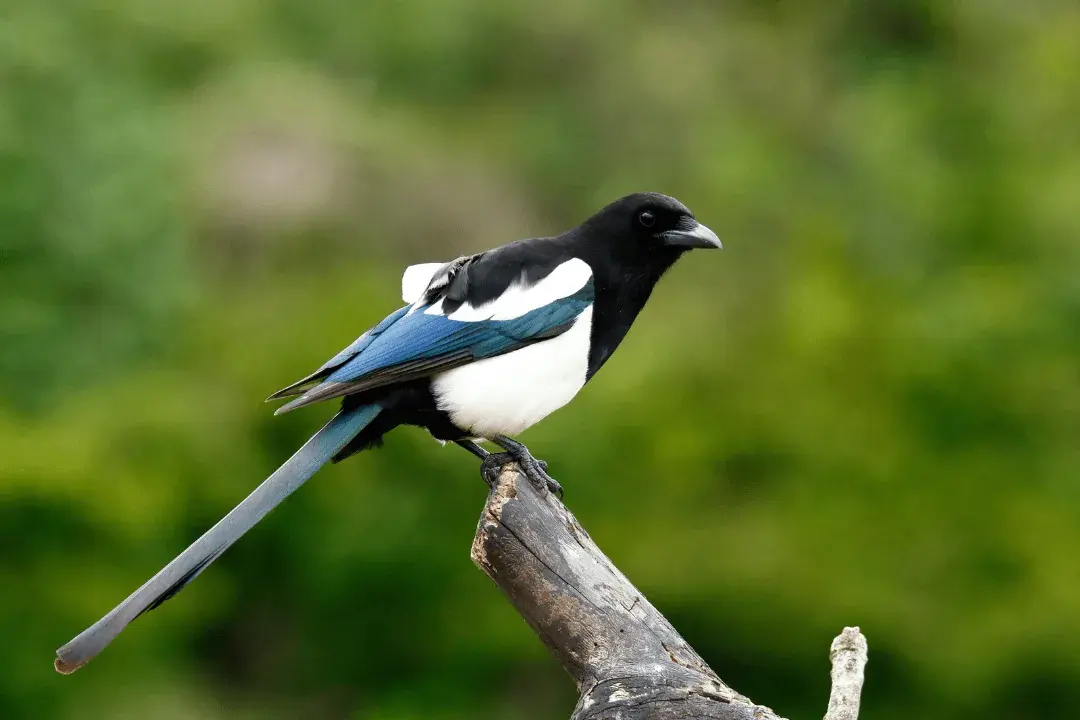
The Black-backed Magpie is an iconic bird of Australia and New Guinea, known for its bold black and white plumage, striking white wing stripes, and intelligent demeanor.
These curious birds are highly social and can often be seen in large groups, communicating with one another through a variety of calls and body language. They’re also known for their impressive mimicry skills, so don’t be surprised if you hear them mimicking other birds, animals, or even human sounds!
Geographic Location
Australia and southern New Guinea
Size
14-20 inches
Life expectancy
20-25 years
Diet
Omnivorous, including insects, small animals, fruits, and seeds
Habitat
Open woodlands, grasslands, parks, and gardens
Black-backed Magpie (Gymnorhina tibicen)
The Black-backed Magpie is an iconic bird of Australia and New Guinea, known for its bold black and white plumage, striking white wing stripes, and intelligent demeanor.
These curious birds are highly social and can often be seen in large groups, communicating with one another through a variety of calls and body language. They’re also known for their impressive mimicry skills, so don’t be surprised if you hear them mimicking other birds, animals, or even human sounds!
Geographic Location
Australia and southern New Guinea
Size
14-20 inches
Life expectancy
20-25 years
Diet
Omnivorous, including insects, small animals, fruits, and seeds
Habitat
Open woodlands, grasslands, parks, and gardens
White-winged Guan (Penelope albipennis)
The White-winged Guan is a rare and endangered bird found only in the dry forests of northwestern Peru. With its glossy black plumage and distinctive white wing stripes, this large, turkey-like bird is a true gem for any dedicated birder.
White-winged Guans are primarily arboreal, foraging for fruits and leaves in the treetops. Their haunting calls echo through the forest, serving as a reminder of their fragile existence and the importance of conservation efforts.
Geographic Location
Northwestern Peru
Size
29-33 inches
Life expectancy
15-20 years
Diet
Fruits, seeds, and leaves
Habitat
Dry tropical forests and scrublands
Black-winged Kite (Elanus caeruleus)
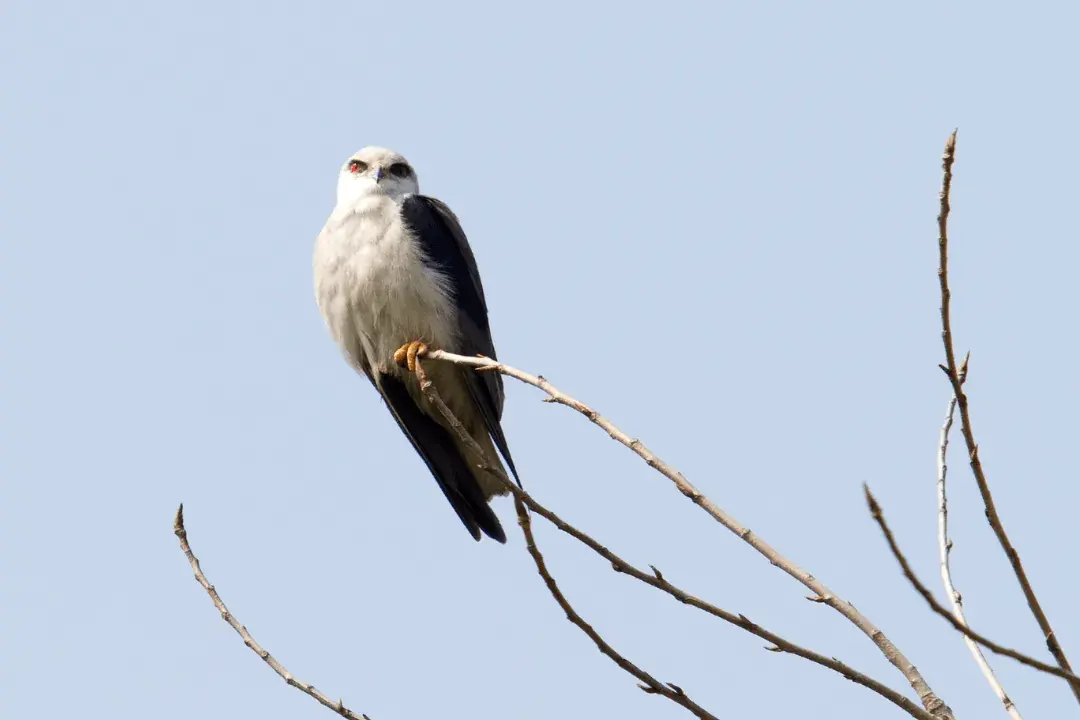
The Black-winged Kite is a graceful bird of prey found in parts of Africa, Europe, and Asia. Its sleek black and white plumage, complete with bold white wing stripes, sets it apart from other raptors.
These elegant birds are known for their extraordinary hovering abilities, which they use to scan the ground for small prey such as rodents and insects. With their keen eyesight and lightning-fast reflexes, Black-winged Kites are formidable hunters and a thrilling sight to witness in action.
Geographic Location
Africa, Europe, and Asia
Size
12-14 inches
Life expectancy
10-12 years
Diet
Small mammals, birds, and insects
Habitat
Open grasslands, savannas, and agricultural areas
Bobolink (Dolichonyx oryzivorus)
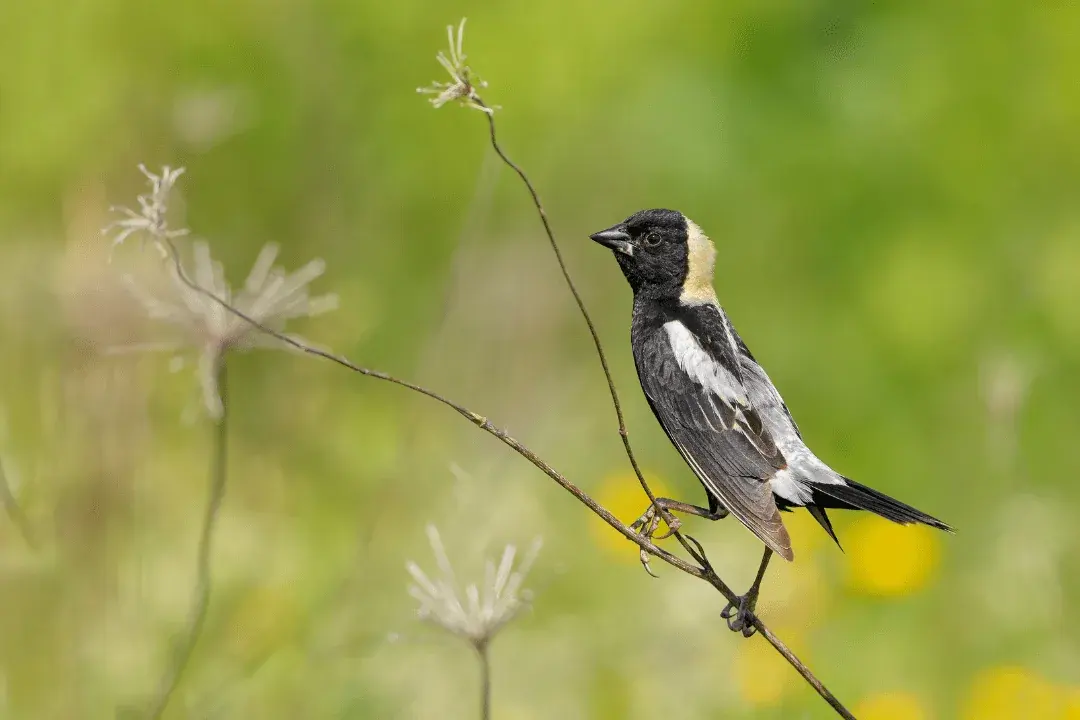
The Bobolink is a small, migratory songbird native to North America. Its striking black and white plumage, adorned with white wing stripes, makes it a standout among grassland birds. The male Bobolink’s unique, bubbly song is a delight to hear and a sure sign that summer has arrived.
Bobolinks prefer open grasslands and meadows for breeding, where they build their nests on the ground. They’re known for their incredible long-distance migrations, traveling from North America to South America each year, covering distances of up to 12,000 miles!
Geographic Location
North and South America
Size
6-8 inches
Life expectancy
5-6 years
Diet
Seeds, insects, and grains
Habitat
Grasslands, meadows, and agricultural fields
Collared Flycatcher (Ficedula albicollis)
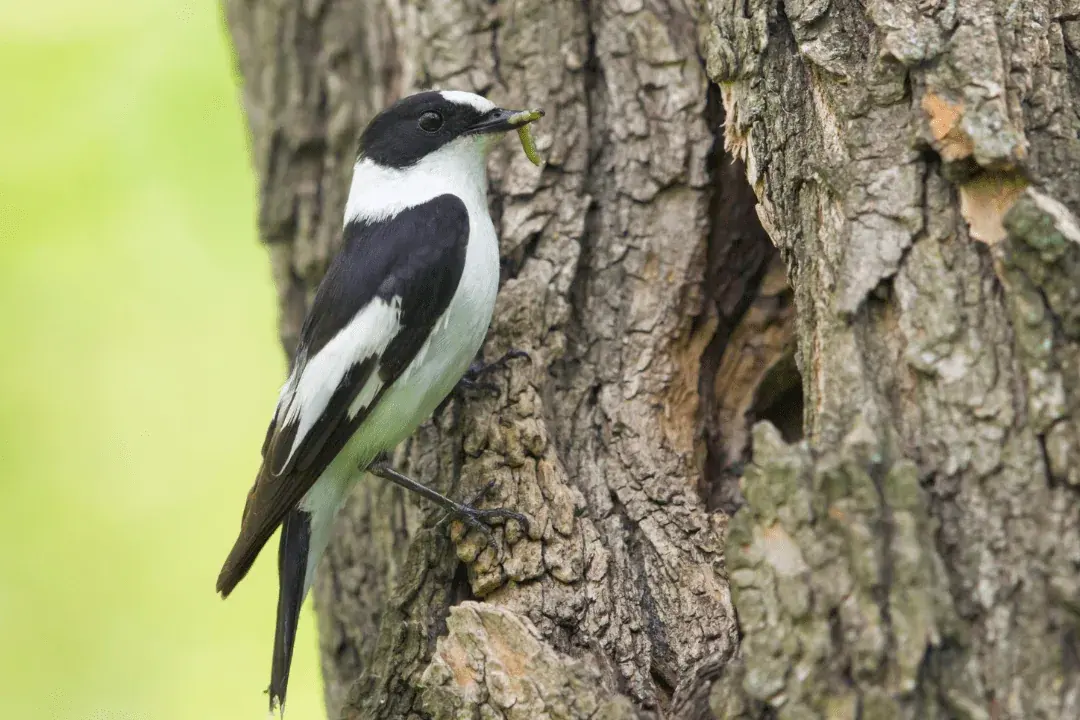
The Collared Flycatcher is a small, elegant bird found in the forests of Europe and western Asia. Its sophisticated black and white plumage, enhanced by the charming white wing stripes, makes this flycatcher a true beauty.
These agile birds are insectivorous, often seen darting through the air to catch their prey. Their enchanting songs fill the forest with a delightful melody, and their playful courtship displays are a joy to witness.
Geographic Location
Europe and Western Asia
Size
4.7-5.5 inches
Life expectancy
3-5 years
Diet
Insects and small invertebrates
Habitat
Deciduous forests, parks, and gardens
Common Magpie (Pica pica)
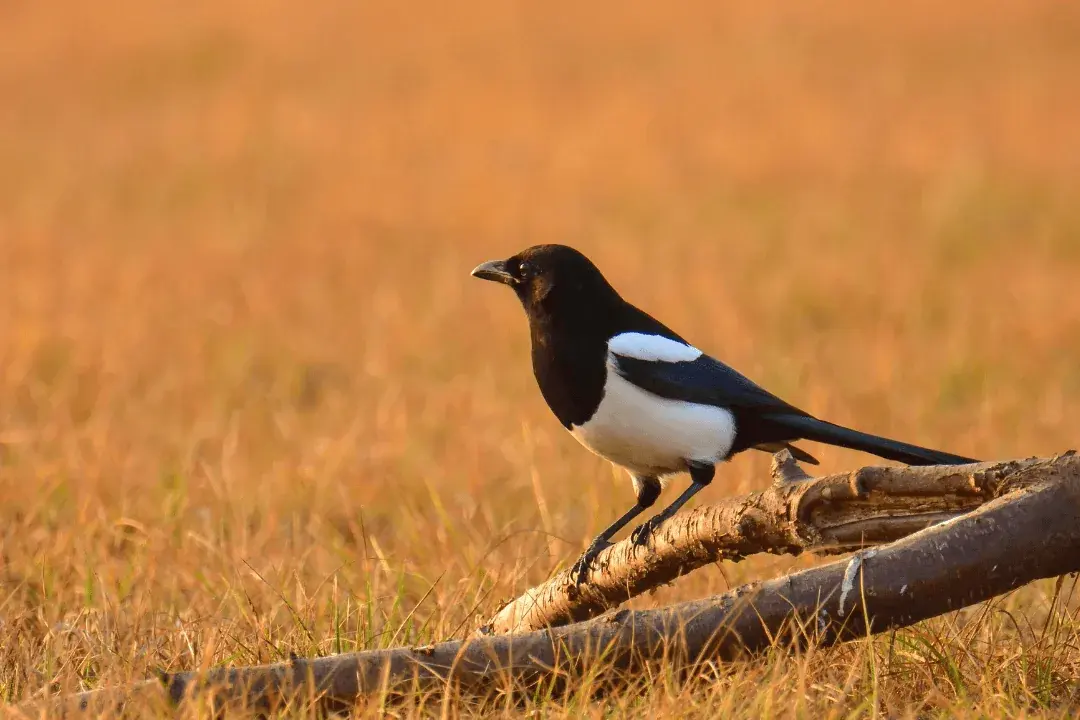
The Common Magpie is an iconic bird found throughout Europe and Asia, famous for its striking black and white plumage and bold white wing stripes. Known for their intelligence, these birds are part of the corvid family, which also includes crows, ravens, and jays.
These sociable birds are known to form tight-knit family groups, and their complex vocalizations indicate a high level of communication. They are also known for their habit of collecting shiny objects, adding an element of mystery to their already fascinating behavior.
Geographic Location
Europe, Asia, and North Africa
Size
16-20 inches
Life expectancy
7-10 years
Diet
Omnivorous, including insects, small animals, fruits, and seeds
Habitat
Forests, farmlands, parks, and urban areas
Eastern Towhee (Pipilo erythrophthalmus)
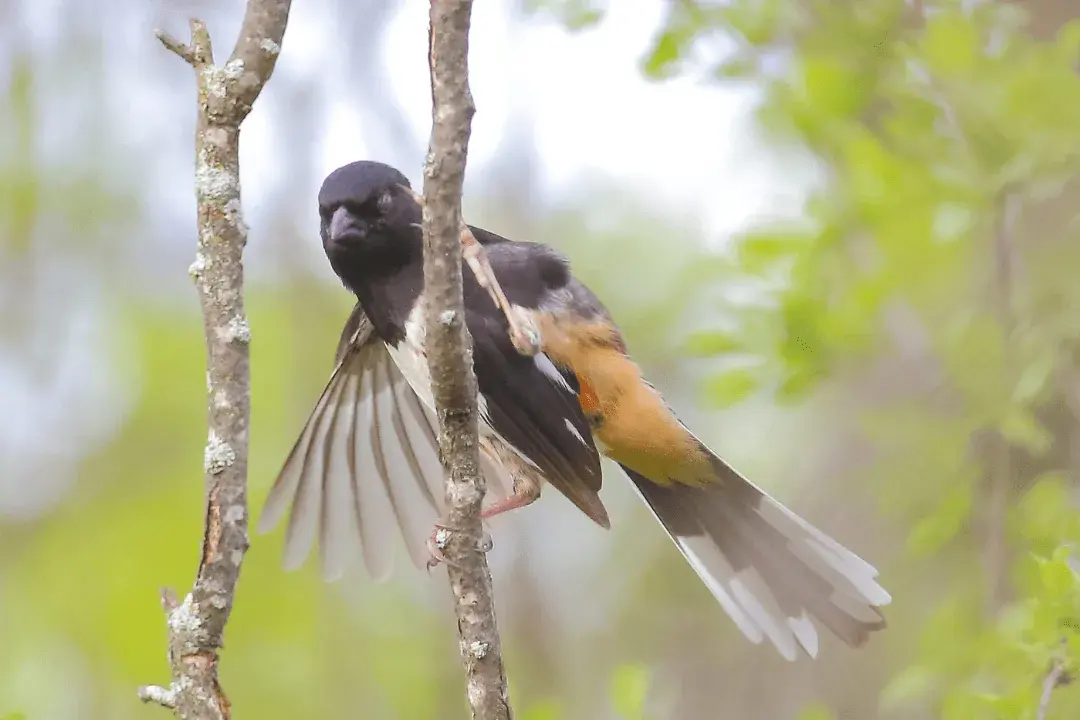
The Eastern Towhee is a large, striking sparrow native to the eastern regions of North America. With its bold black and white plumage and distinctive white wing stripes, this bird is easy to identify and a favorite among birdwatchers.
Eastern Towhees prefer thickets and brushy habitats, where they forage for insects, seeds, and berries. Their cheerful, musical calls are a welcome addition to any woodland walk, and their vibrant personalities are sure to win your heart.
Geographic Location
Eastern North America
Size
6.7-8.3 inches
Life expectancy
3-5 years
Diet
Seeds, fruits, insects, and small invertebrates
Habitat
Forest edges, thickets, and overgrown fields
Eurasian Magpie (Pica pica)
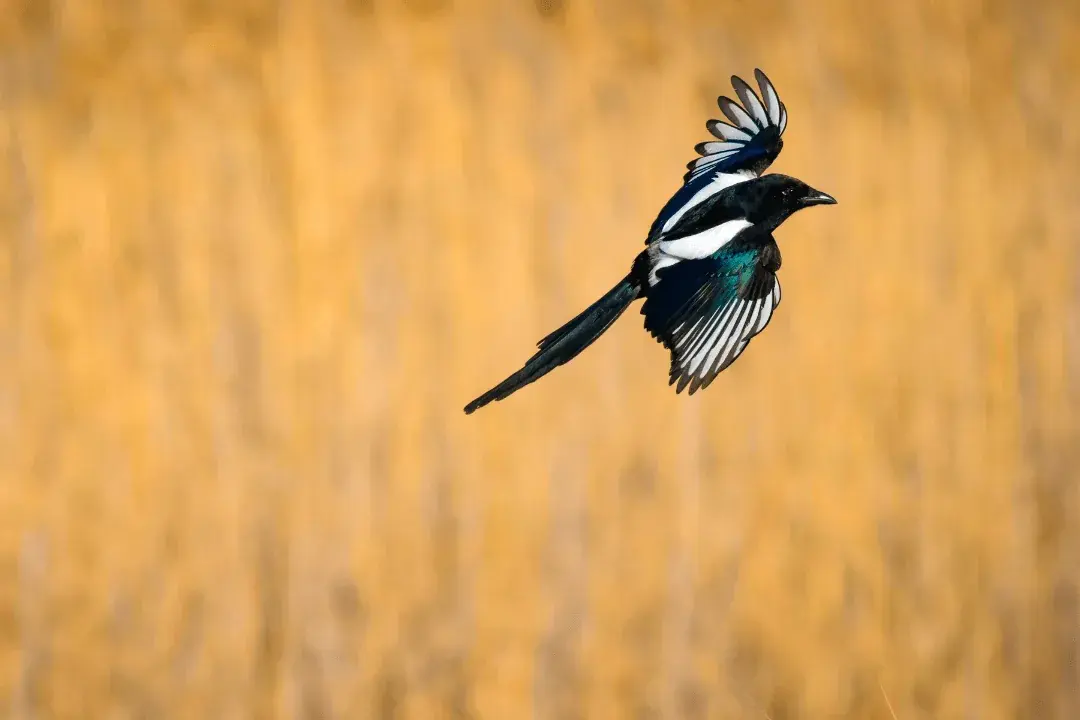
The Eurasian Magpie, a close relative of the Common Magpie, is found throughout Europe and Asia. This striking bird shares the same bold black and white plumage and white wing stripes, making it an equally enchanting sight to behold.
Eurasian Magpies are known for their cleverness and resourcefulness, often using their intelligence to solve problems and obtain food. Their social nature and complex vocalizations make them a fascinating subject for bird enthusiasts.
Geographic Location
Europe, Asia, and North Africa
Size
16-20 inches
Life expectancy
7-10 years
Diet
Omnivorous, including insects, small animals, fruits, and seeds
Habitat
Forests, farmlands, parks, and urban areas
Ladder-backed Woodpecker (Picoides scalaris)
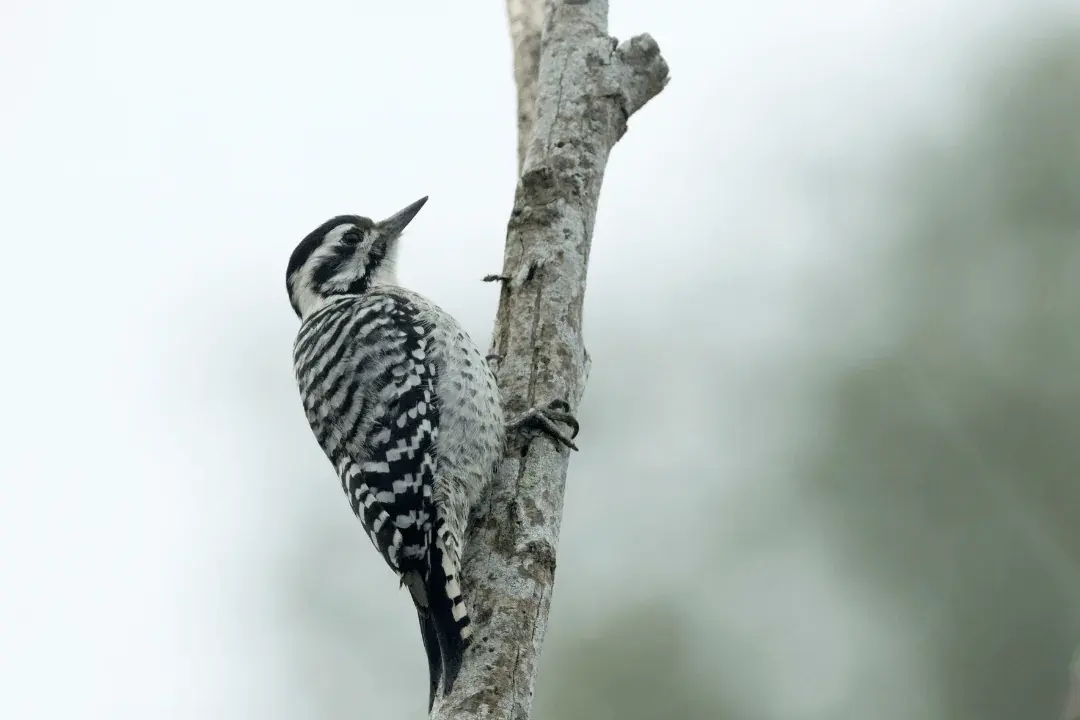
The Ladder-backed Woodpecker is a small, striking woodpecker native to the southwestern United States and Mexico. With its black and white plumage, striking white wing stripes, and distinctive ladder-like pattern on its back, this woodpecker is a true visual treat.
These agile birds are often seen scaling tree trunks and branches in search of insects hidden within the bark. Their rhythmic drumming echoes through the forest, providing a lively soundtrack to any birding adventure.
Geographic Location
Southwestern United States and Mexico
Size
6-7 inches
Life expectancy
5-6 years
Diet
Insects, fruits, and seeds
Habitat
Dry woodlands, deserts, and riparian areas
Black Skimmer (Rynchops niger)
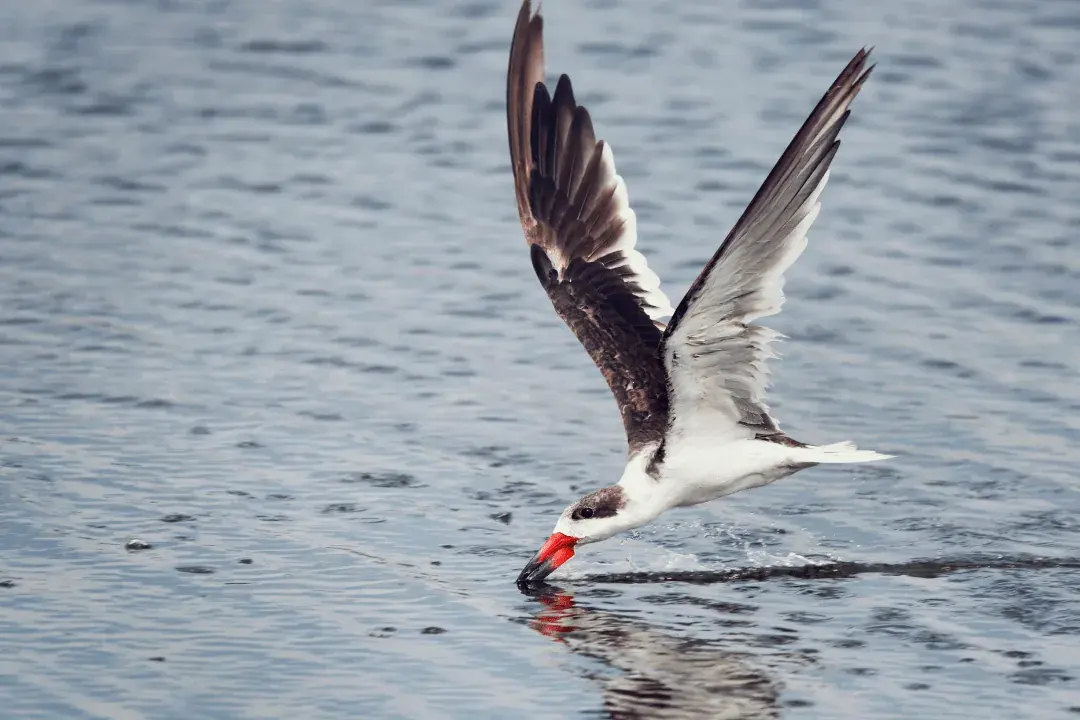
The Black Skimmer is a unique seabird found along the coasts and waterways of the Americas. Its black and white plumage, complete with bold white wing stripes, makes it a standout among shorebirds.
What sets the Black Skimmer apart is its remarkable feeding technique. With its lower mandible longer than the upper one, it skims the water’s surface, scooping up small fish and crustaceans as it flies. This extraordinary behavior is a captivating sight to witness and a testament to the remarkable adaptations found in the avian world.
Geographic Location
North and South America
Size
15-20 inches
Life expectancy
10-15 years
Diet
Small fish
Habitat
Coastal areas, estuaries, and large rivers
Magpie-lark (Grallina cyanoleuca)
The Magpie-lark is a medium-sized bird native to Australia and New Guinea, known for its striking black and white plumage and bold white wing stripes. Sometimes referred to as the “Peewee” or “Mudlark,” this bird is a familiar sight in both urban and rural settings.
Magpie-larks are often seen in pairs, foraging for insects and small invertebrates on the ground. Their unique, dueting calls can be heard echoing across the landscape, adding a touch of musicality to the environment.
Geographic Location
Australia and southern New Guinea
Size
10-12 inches
Life expectancy
6-8 years
Diet
Insects and other invertebrates
Habitat
Open woodlands, grasslands, wetlands, and urban areas
Male Belted Kingfisher (Megaceryle alcyon)
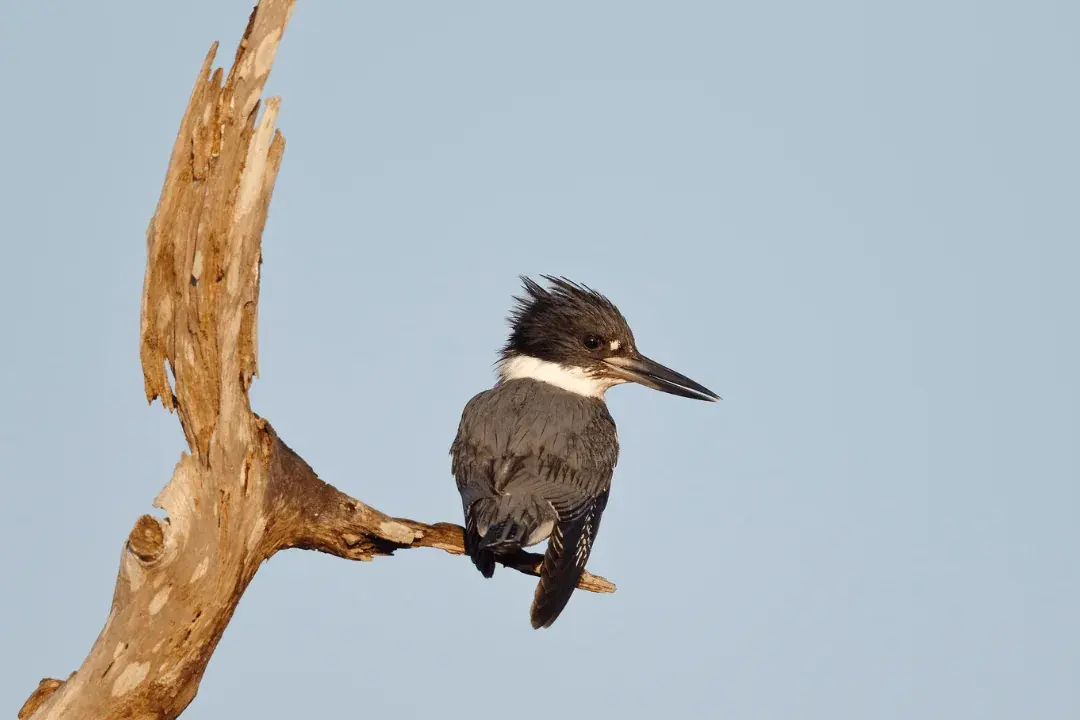
The Male Belted Kingfisher is a stunning bird found throughout North America. Its eye-catching black and white plumage, embellished with white wing stripes, sets it apart from other kingfishers and makes it a favorite among birders.
These skilled hunters are often seen perched near water, where they dive headfirst to catch fish with their powerful bills. Their rattling calls and energetic behavior make them a thrilling addition to any birdwatching excursion.
Geographic Location
North and Central America
Size
11-14 inches
Life expectancy
6-8 years
Diet
Fish, insects, and other aquatic creatures
Habitat
Rivers, lakes, and coastal areas
Spotted Towhee (Pipilo maculatus)
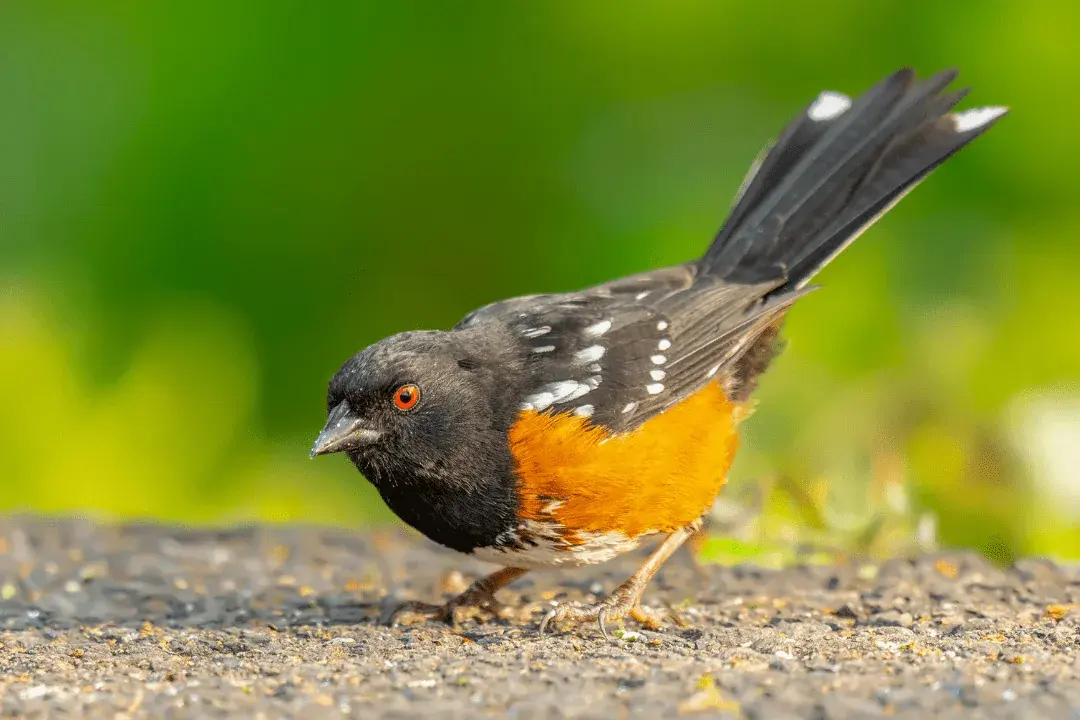
The Spotted Towhee is a large, colorful sparrow native to the western regions of North America. With its bold black and white plumage, distinctive white wing stripes, and vibrant red eyes, this bird is a true beauty.
Spotted Towhees prefer dense, brushy habitats, where they forage for insects, seeds, and berries. Their rich, musical calls are a welcome addition to any woodland walk, and their spirited personalities are sure to charm any bird enthusiast.
Geographic Location
Western North America
Size
7-8.5 inches
Life expectancy
3-5 years
Diet
Seeds, fruits, insects, and small invertebrates
Habitat
Brushy areas, woodlands, and thickets
White-winged Cotinga (Xipholena atropurpurea)
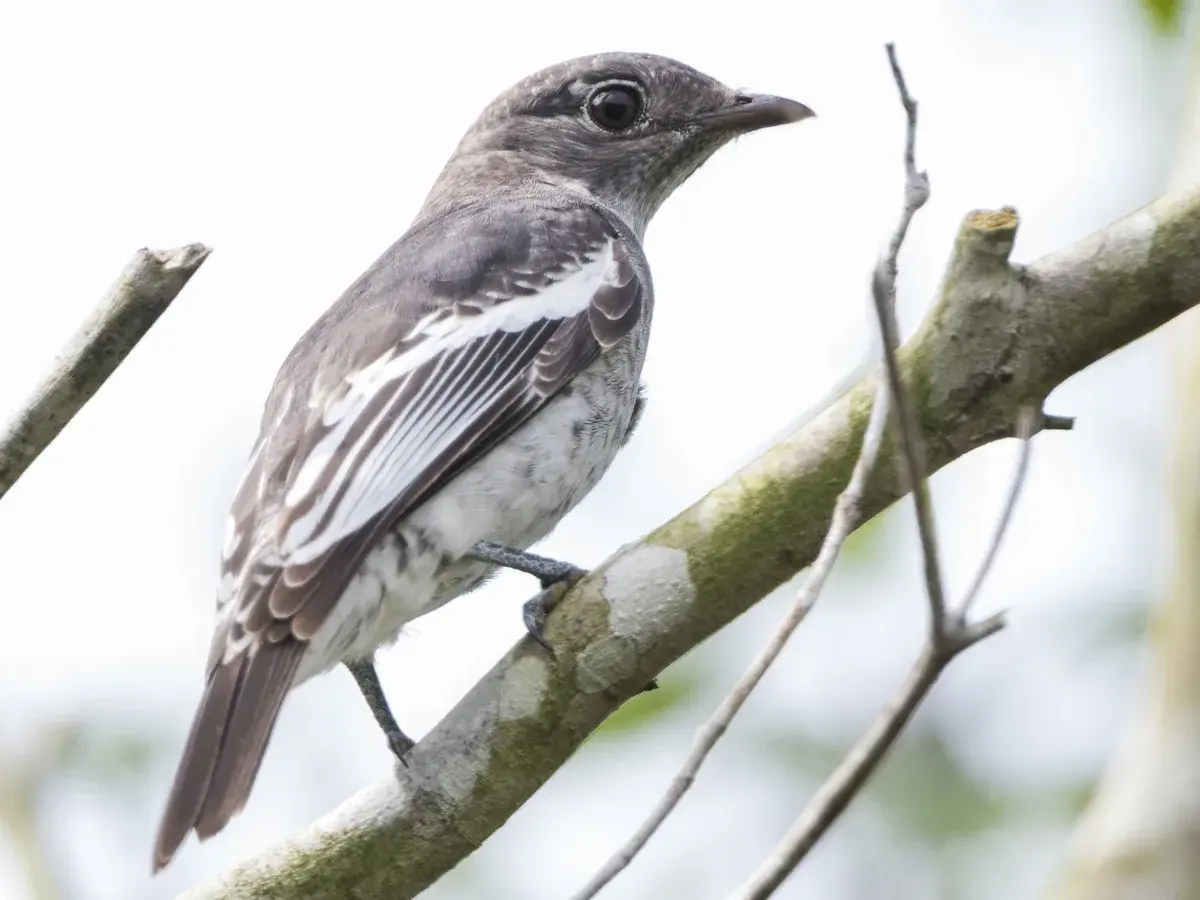
The White-winged Cotinga is a rare and endangered bird found only in the Atlantic Forest of southeastern Brazil. With its lustrous black plumage and striking white wing stripes, this bird is a true treasure for any dedicated birder.
White-winged Cotingas are primarily frugivorous, feasting on a variety of fruits in their forest habitat. Their haunting calls serve as a reminder of the fragile nature of their existence and the importance of preserving their unique habitat.
Geographic Location
Southeastern Brazil
Size
8-9 inches
Life expectancy
8-10 years
Diet
Fruits and insects
Habitat
Atlantic rainforests and montane forests
White-winged Becard (Pachyramphus polychopterus)
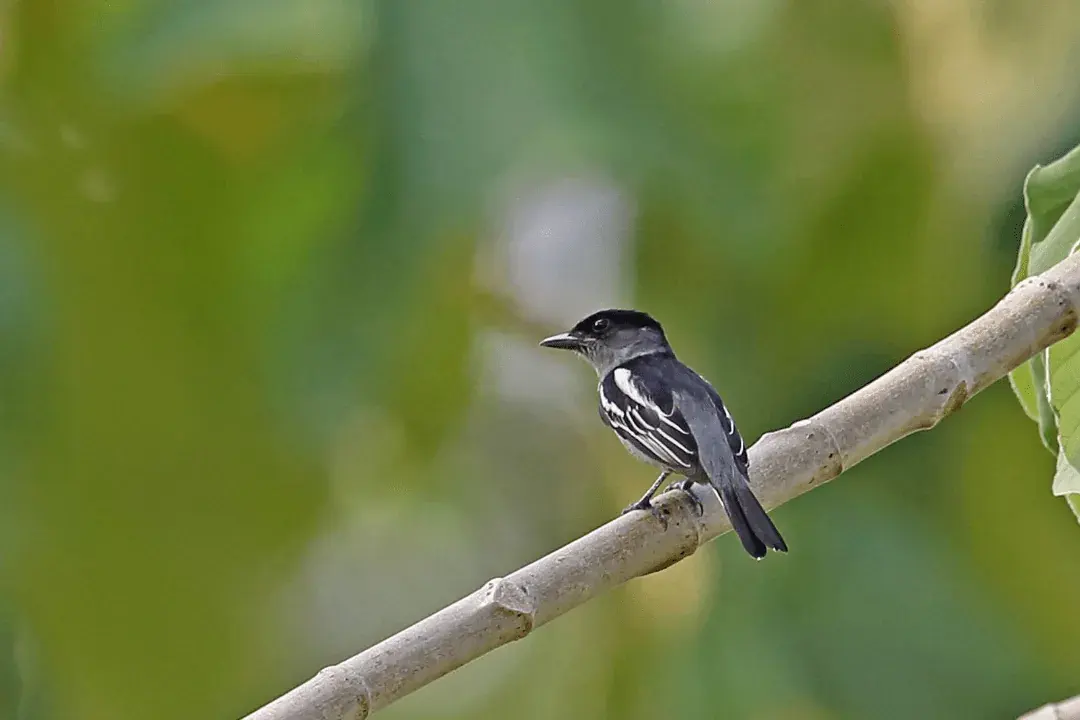
The White-winged Becard is a small, charming bird found in the forests of Central and South America. Its attractive black and white plumage, complete with bold white wing stripes, makes it a delightful sight to behold.
These social birds are often seen in mixed-species flocks, foraging for insects and fruits in the treetops. Their sweet, high-pitched calls fill the forest with a delightful melody, and their gentle demeanor is sure to win your heart.
Geographic Location
Central and South America
Size
5-6 inches
Life expectancy
5-7 years
Diet
Insects and fruits
Habitat
Tropical and subtropical forests, woodlands, and edges
White-winged Black Tern (Chlidonias leucopterus)
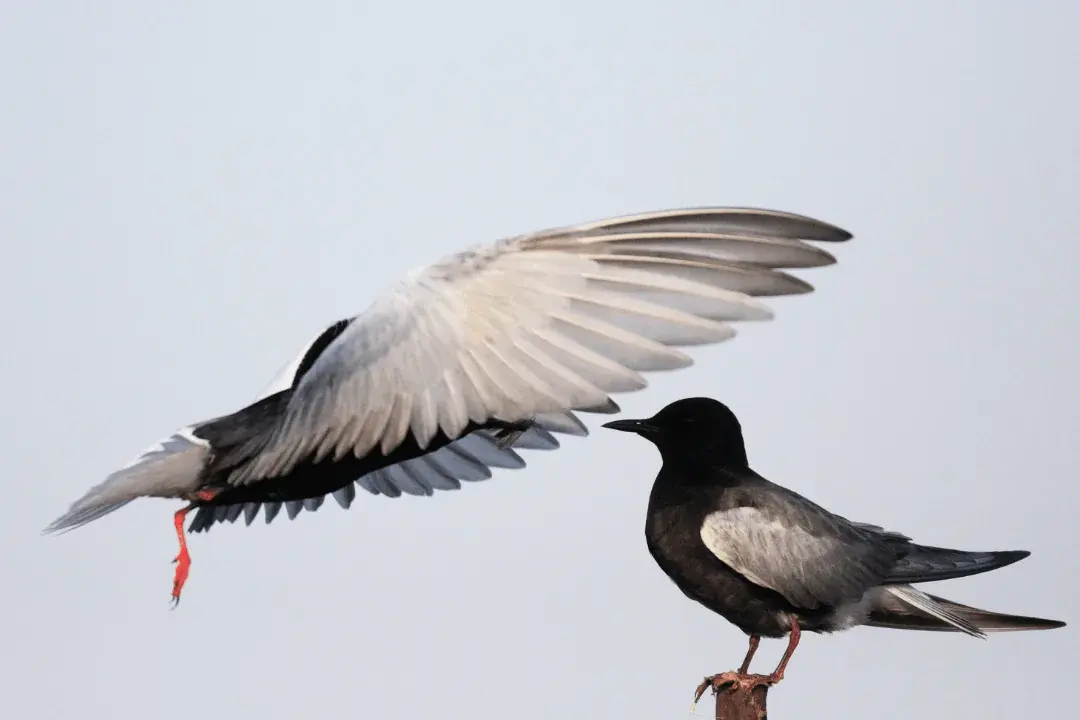
The White-winged Black Tern is an elegant seabird found in parts of Europe, Asia, and Africa. With its sleek black plumage and striking white wing stripes, this tern is a graceful presence in the skies.
These agile birds are known for their aerial acrobatics as they dive and swoop in search of fish and insects. Keep an eye out for their impressive courtship displays, which involve intricate aerial maneuvers and synchronized flying.
Geographic Location
Europe, Africa, Asia, and Australia
Size
9-11 inches
Life expectancy
10-12 years
Diet
Aquatic insects, small fish, and crustaceans
Habitat
Wetlands, marshes, shallow lakes, and coastal lagoons
Adaptations and Significance of White Wing Stripes
Camouflage and Display
Concealing in various environments
White wing stripes serve as an effective form of camouflage, helping birds blend into their environments. The contrasting black and white plumage can break up their outline, making it more difficult for predators to spot them in various habitats, such as forests, grasslands, or water edges.
Attracting mates and territorial displays
In addition to their camouflaging benefits, white wing stripes also play a crucial role in attracting mates and displaying territorial prowess. During courtship and territorial disputes, these striking patterns can catch the eye of a potential mate or rival, signaling strength and vitality.
Communication
Visual signals
The white wing stripes on these birds can also serve as visual signals, aiding in communication within flocks or family groups. The contrasting colors can be easily seen from a distance, allowing birds to convey messages about their location, social status, or intentions.
Vocalizations and songs
While not directly related to their white wing stripes, the vocalizations and songs of these birds play a significant role in their communication. Each species has a unique set of calls, songs, and alarms that help them stay connected with their fellow birds and convey important information.
Flight Patterns
Gliding and flapping
The presence of white wing stripes can impact the flight patterns of these birds. The contrasting patterns may help them maintain stability in the air, allowing for more efficient gliding or flapping during foraging or migration.
Migratory behaviors
Many of the birds with white wing stripes undertake impressive long-distance migrations. The visual cues provided by their distinctive plumage may help them stay connected with their flock members and navigate their migratory routes more effectively.
Conservation and Human Interaction
Threats to Populations
Several factors threaten the populations of these black birds with white wing stripes, including habitat loss, climate change, and predation. Human development, deforestation, and agricultural expansion have all led to the degradation of their natural habitats, putting pressure on their populations.
Conservation Efforts
Local and global initiatives
Numerous local and global initiatives are underway to protect these unique birds and their habitats. These efforts include the establishment of protected areas, habitat restoration projects, and species-specific conservation programs.
Citizen science projects
Citizen science projects play a crucial role in the conservation of these birds. By participating in birdwatching, bird counts, and other projects, ordinary people can contribute valuable data to help scientists and conservationists monitor and protect these species.
Protecting habitats
Protecting and restoring the habitats of these black birds with white wing stripes is essential for their long-term survival. Conservation organizations and governments are working together to implement land management practices that preserve and enhance the natural environments these birds rely on.
Conclusion
In conclusion, the white wing stripes found on these black birds serve a variety of purposes, including camouflage, communication, and display. Their unique adaptations and behaviors highlight the incredible diversity and complexity of the avian world. As we continue to learn more about these fascinating species, it’s crucial that we also support conservation efforts to ensure their survival for future generations to enjoy. So, let’s spread our wings and take flight as we continue to explore and protect the wonderful world of birds!
More on bird identification
Are Sparrows a Good Bird to Have in Your Yard?
Sparrows can be a welcome addition to a backyard, but not all species are equal. Native sparrows such as the Song Sparrow eat insects and add lively activity, while House Sparrows are invasive in North America and can push out Bluebirds and Wrens. This guide covers which species to expect, what the…
Bird Identification — , 8 min read

Blue Jays Birds: ID, Diet and Backyard Tips
Blue jays are among the most recognizable and most misunderstood backyard birds in North America. This guide covers how to identify them by their crest and black necklace, where they live from Canada to the southern United States, what they eat at feeders and in the wild, and how to attract them wi…
Bird Identification — , 8 min read

Bird Names That Start With Q: A Backyard Guide
Wondering about bird names that start with q? This guide covers the most common North American quail, how to identify them by sight and sound, and practical steps to attract them to your backyard this week.
Bird Identification — , 5 min read